Size charts for kids' and baby clothing stores on Shopify
Parents shop by age, but children grow at different rates. Show age and height together so parents can pick the right size.
Kids' and baby clothes are sold by age, but children of the same age can be very different heights. A tall four-year-old may need the size for five- or six-year-olds. Parents also often buy for a child who isn't with them, or as a gift, so they need numbers they can check.
A good kids' size chart turns each age into the measurements behind it, starting with height, and says whether the style fits closely or leaves room to grow.
What your size chart needs
Age and height together
Age is a rough guide; height is more reliable. Showing both helps parents whose child is tall or small for their age.
Room to grow
Note whether a style fits generously or close to the body, so parents know whether to size up.
Baby accessories
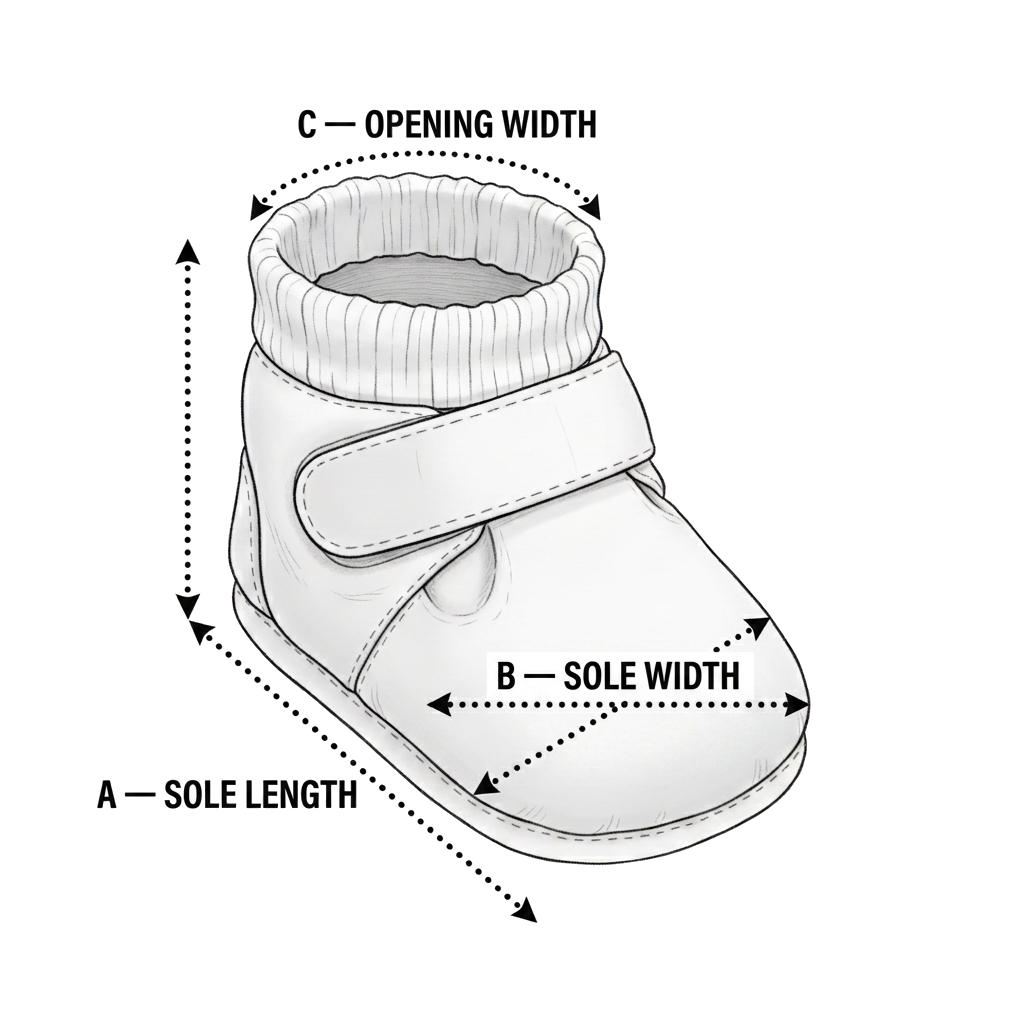
Hats, booties and bibs use their own measurements, such as head circumference and sole length.
What to measure, product by product
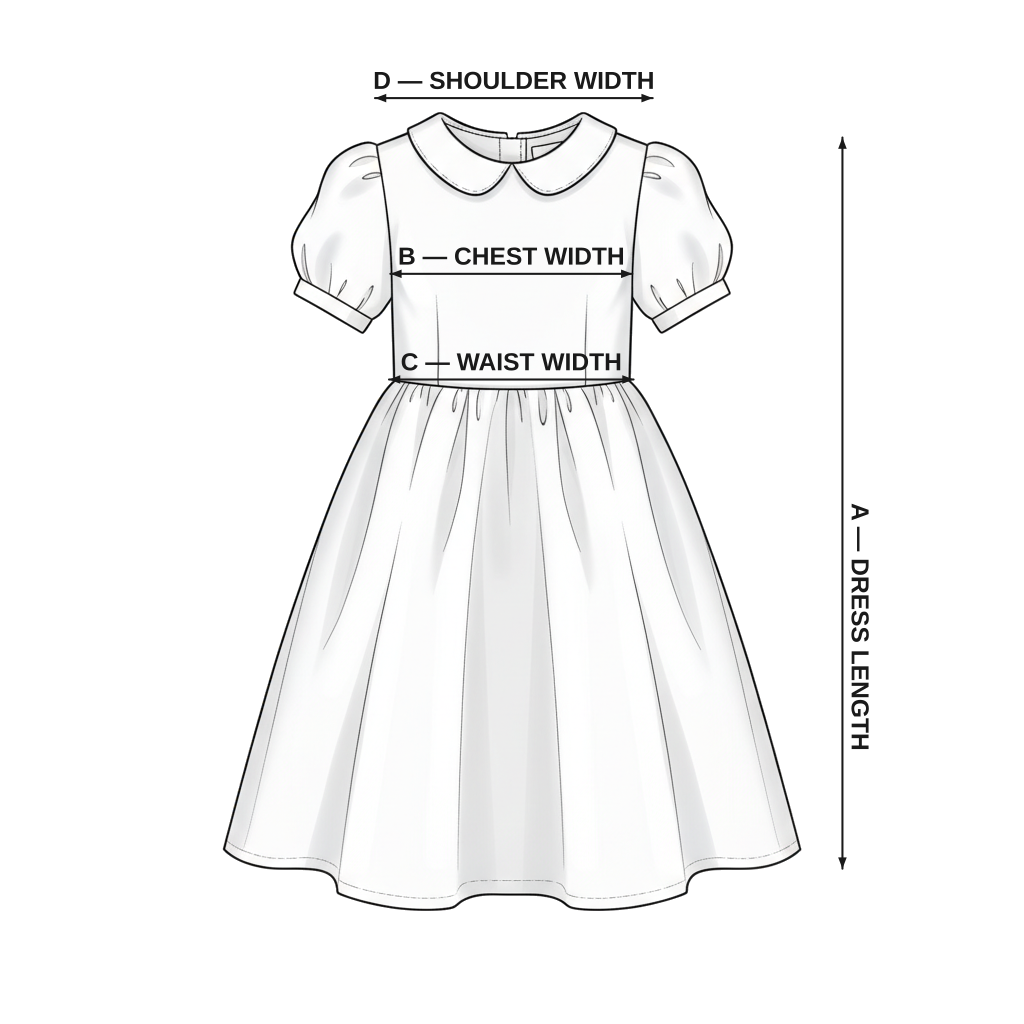
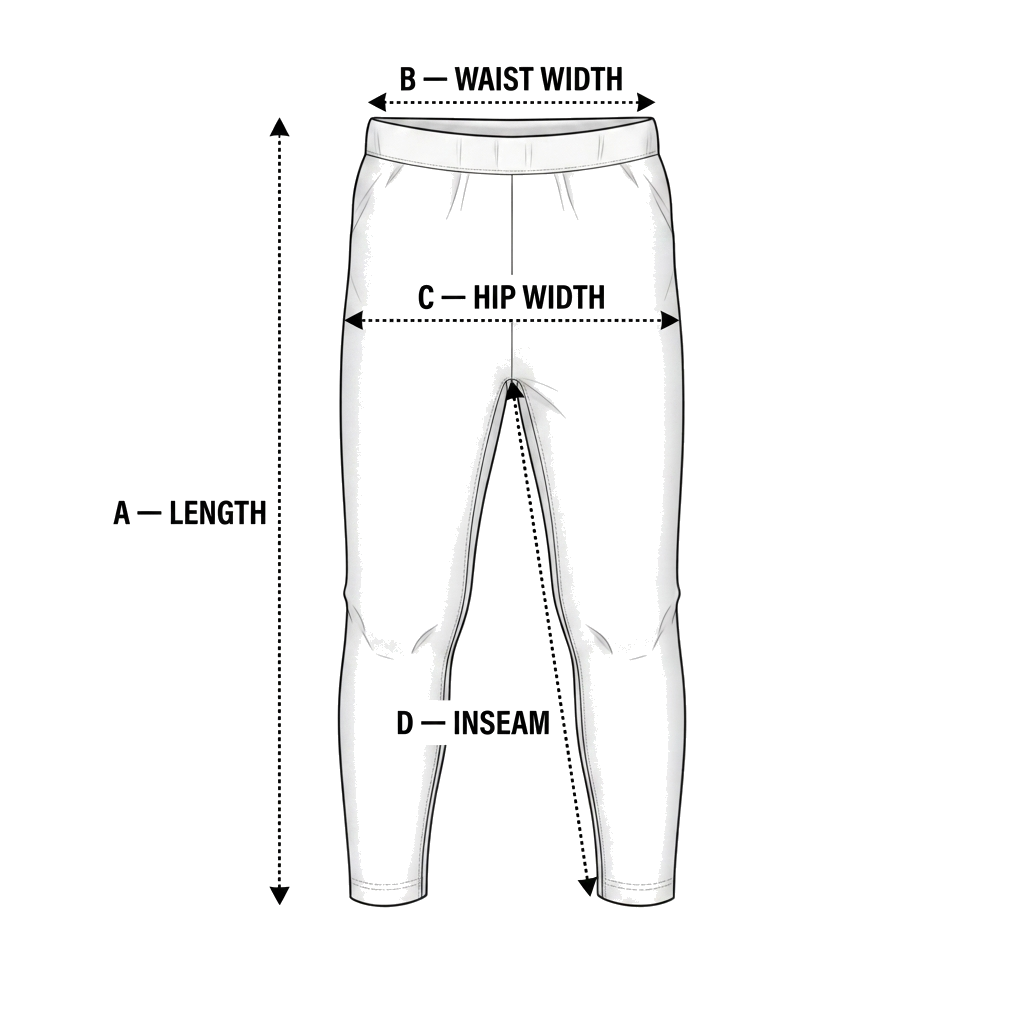
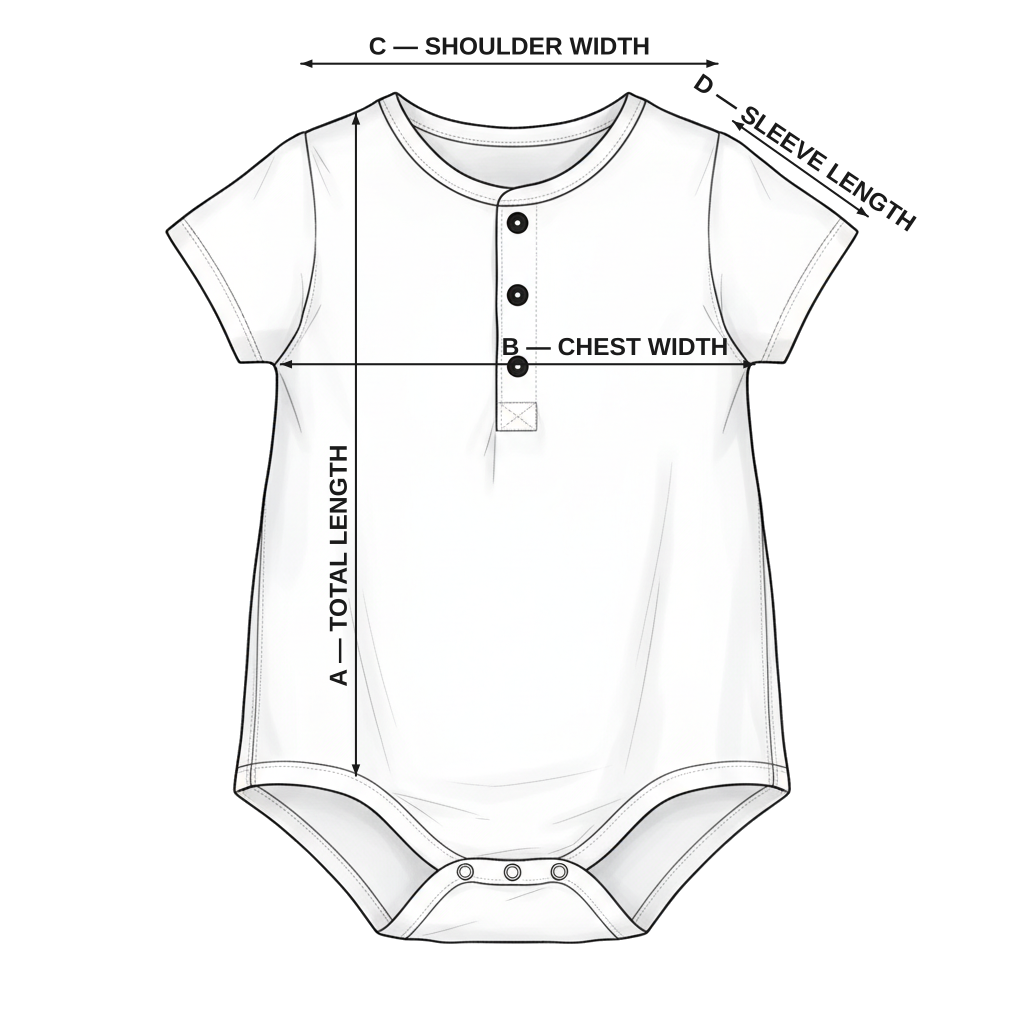
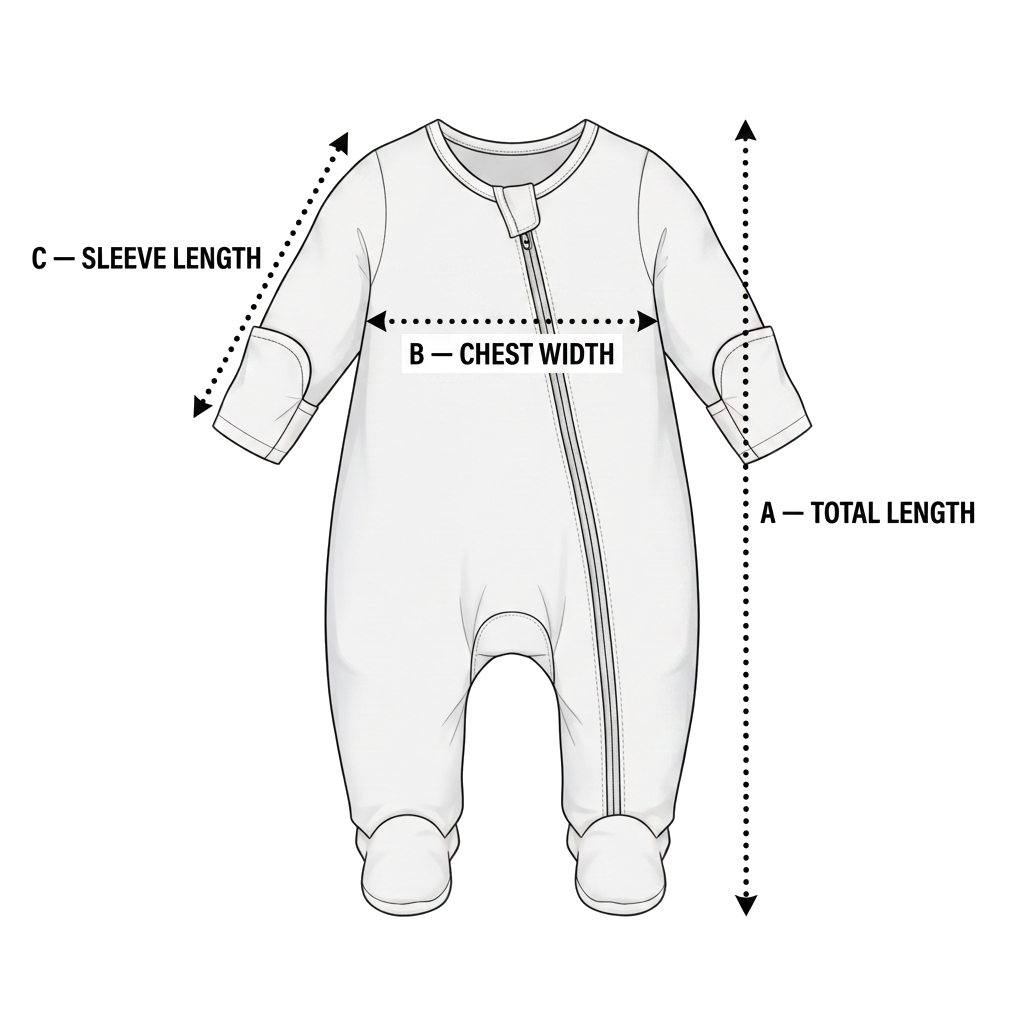
The measurements in each of our free templates for kids' and baby stores. Use them as a starting point, then replace the numbers with measurements from your own products.
Example: Kids' Age & Height Guide
Open this template →Typical measurements from the template, in inches. Every brand fits differently, so measure your own products before you publish.
| Age | Height (in) | Chest (in) | Waist (in) | Hips (in) |
|---|---|---|---|---|
| 2–3Y | 37 | 21 | 20 | 22 |
| 4–5Y | 43 | 22 | 21 | 23.5 |
| 6–7Y | 49 | 23.5 | 22 | 25 |
| 8–9Y | 54 | 25 | 23 | 27 |
| 10–11Y | 59 | 27 | 24.5 | 29 |
| 12–13Y | 63 | 29 | 26 | 31 |
Measurements that matter
Measurements of the person a size is meant for, such as chest, waist and hip circumference.
The measurement around the head, used to size hats and caps.
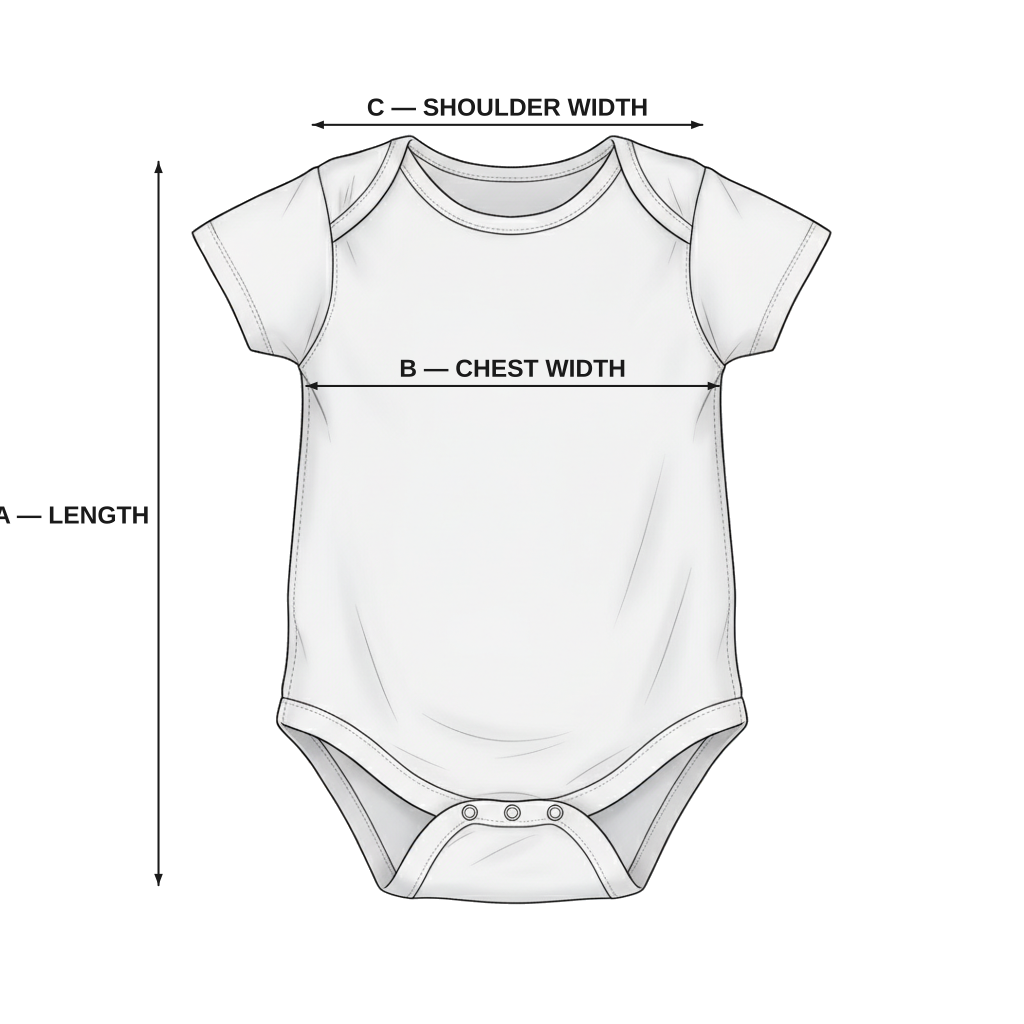
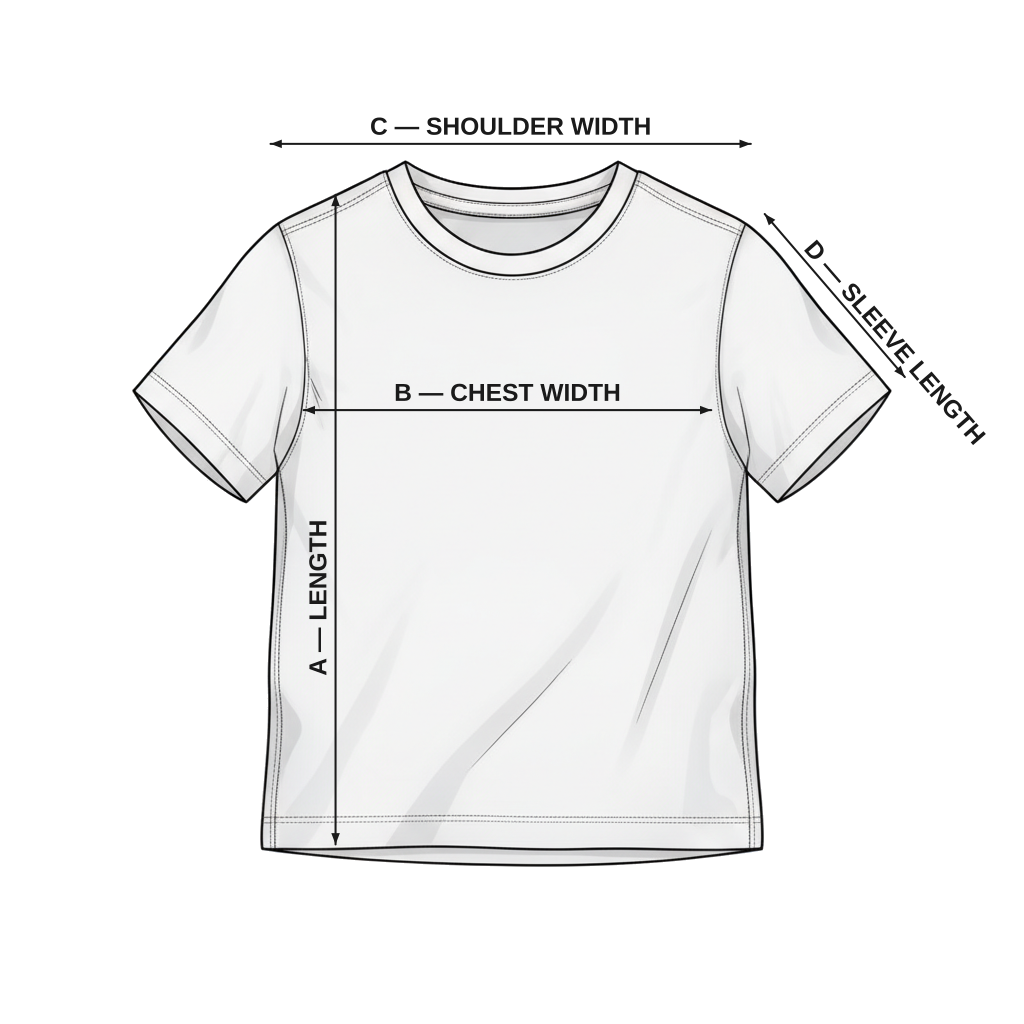
Measurements of the item itself, usually taken with it laid flat, as opposed to measurements of the body.
A product that fits the way its size label suggests. "Runs small" and "runs large" mean it fits smaller or larger than expected.
Common mistakes to avoid
Age only
Age alone leaves parents of tall or small children guessing. Add height, and chest and waist for fitted styles.
Unclear month labels
Brands use labels like "3M" differently: for some it means up to 3 months, for others 3 to 6 months. Show the range in months, and height or weight, so there's no doubt.
One chart for babies and kids
Baby sizes run in months and kids' sizes in years, with different measurements. Keep them in separate charts.
Forgetting accessories
Hats need head circumference, and booties and shoes need foot or sole length. Age alone isn't enough for these.
Checklist before you publish
- Age and height together for every size
- Month ranges written out in full for baby sizes
- Chest, waist and hips for fitted styles
- Head circumference for hats, sole length for booties
- A note on how the style fits, and whether to size up for growth
- Separate charts for baby and kids' sizes
Free templates to start from
All size chart templates →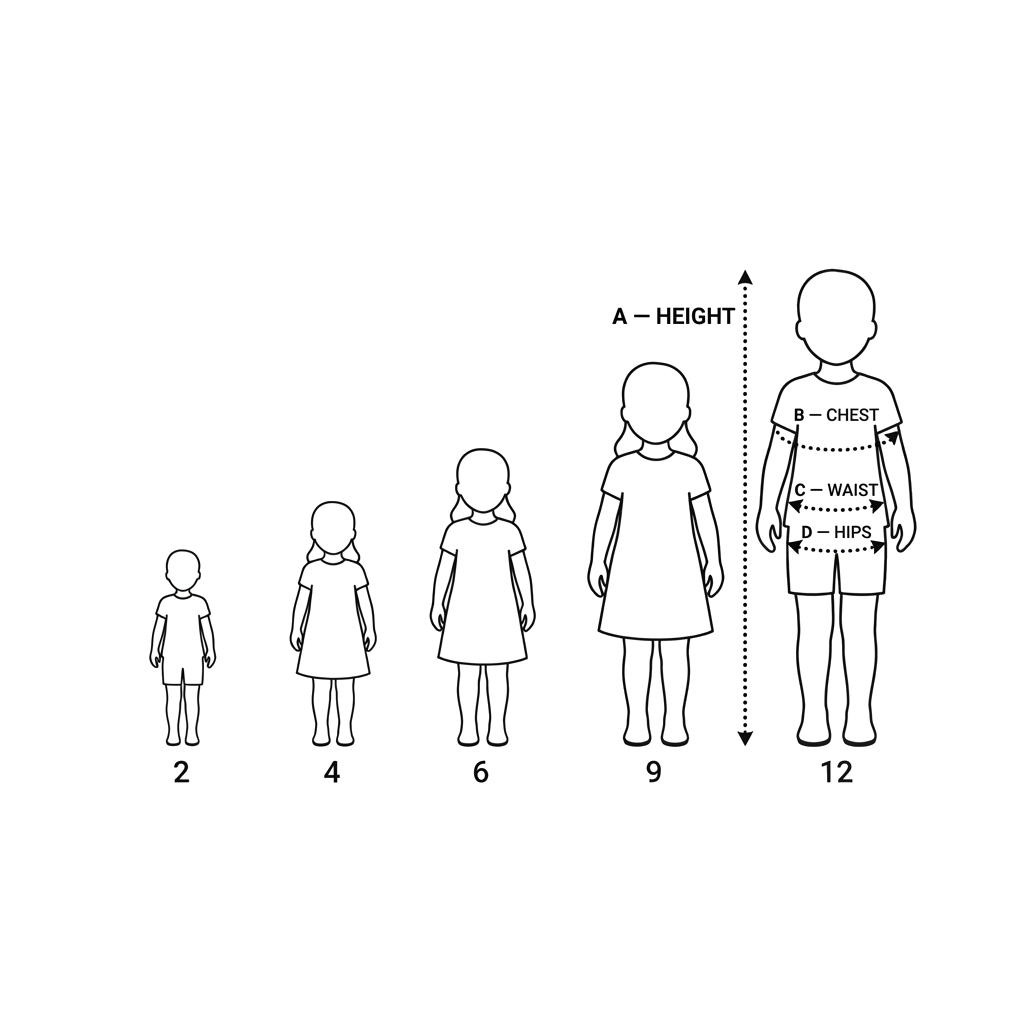
Set it up in Jotly
- 1
Create a chart from a template
Open Jotly in your Shopify admin, click Create Chart and pick a template, or start from scratch.
How to → - 2
Put in your own measurements
Edit the table, or import one from Excel, and choose the unit you measured in. Shoppers can switch between cm and inches.
How to → - 3
Assign it to your products
Assign the chart to products or collections on the Free plan, or to tags and vendors on the Global plan and above.
How to → - 4
Turn it on in your theme
Enable the Jotly app embed from the Settings page, then choose where the size chart button appears on your product pages.
How to →
How Jotly helps
One chart per collection
Assign a chart to your baby, toddler or kids' collections and every product in them shows the right chart. Included in the Free plan.
Learn more →A size scale
Show at a glance whether a style runs small or has room to grow. The size scale is included in the Essentials plan.
Learn more →Charts in your customers' language
Translate your charts into your store's languages, or any language with AI. Included in the Global plan and above.
Learn more →Common questions
Should kids' sizes be by age or height?
Both. Age is what most parents look for first, and height makes the choice more accurate.
Do baby clothes need a different chart from kids' clothes?
Usually. Baby sizes are typically by age in months, while kids' sizes are by age in years, and baby items like booties and hats need their own measurements.
How do parents measure a child's height?
Have the child stand against a wall without shoes, heels together, and mark the top of the head with a flat object like a book. Measure babies lying flat, from the top of the head to the heel.
What if a child is between sizes?
Most parents size up, since children grow quickly. If a style already fits generously, say so, so they don't end up with something far too big.
Should a baby size chart include weight?
It helps. Babies are hard to measure accurately, but most parents know their baby's recent weight, so many baby charts list weight next to height.
Free plan, no card needed. Paid plans include a 7-day free trial.